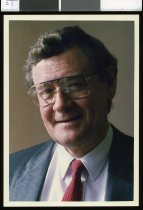
Sid Ashton, Ngai Tahu Maori Trust BoardSouth Canterbury Museum Sid Ashton, secretary Ngai Tahu Maori Trust Board, circa 1990. |
|
Photograph of Sylvia Ashton-Warner carrying her baby son Maori-styleAlexander Turnbull Library Sylvia Ashton-Warner (then Sylvia Henderson) carrying her baby son, Ashton, on her back, pikau style. Photographed by an unknown photographer in 1938. Quantity: 1 b&w original photographic print(s). Physical Description: Silver gelatin print |
|
Lionel George AshtonAuckland War Memorial Museum Tāmaki Paenga Hira Cenotaph record for Lionel George Ashton (also known as: Boy), Service No. 16/1026 (WWI). World War I, 1914-1918. Vessel: Remuera. Transport: HMNZT 29. Embarkation Unit: 2 Maori Pioneer Battalion. From: Wellington/New Zealand. Destination: Suez/Egypt/North Africa/Africa. Place of death: Onerahi/Whangarei/Northland/New Zealand. Military Decorations: 1914-1915 Star, British War Medal (1914-1920), Victory Medal. |
|
Loans available to Maori women to start a businessRadio New Zealand Loans are being made available to budding Maori businesswomen who might have been rejected by the main banks. |
|
Ashton, Joey MātengaManatū Taonga, the Ministry for Culture and Heritage Nō te 3 o Hune o te tau 1907 i whānau ai a Joey Mātenga Āhitana (Ashton), he mea karanga anō hoki a ia ko Hōhepa (Joseph), ki Hūpēnui (Greytown) ki Te Wairarapa. Ko ia anake te tamaiti a Kiti Karaka Rīwai (Rēwai) rāua ko tana tāne, ko te kaimahi nei ko Te Ao Āhitana Mātenga (Joseph Ashton). I whānau a Kiti ki te motu o Ruapuke i Te Ara-a-Kiwa (Foveaux Strait). He Pākehā, he Moriori, he Māori nei ōna kāwai, ā, ko Ngāti Māmoe me Ngāti Hinetewai ōna iwi Māori. |
|
Ngapuhi gets financial lessons from Maori womenRadio New Zealand Ngapuhi Whanau Ora providers are to get lessons in managing money - and it's hoped those skills will filter through to families. |
|
Page 2 Advertisements Column 2 (Grey River Argus, 05 July 1871)National Library of New Zealand
|
|
Whare Runanga, or Maori council chamber, at WaiohikiTrove
|
|
PORT OF GREY. (Grey River Argus, 15 March 1876)National Library of New Zealand
|
|
Feature interview - Jennifer AshtonRadio New Zealand The pioneering story of 1840's Hokianga settler and timber trader, John Webster. He rubbed shoulders with the likes of George Grey and Richard Seddon, and became a catalyst in the evolving relationships between Pakeha and Maori. |
|
DEATHS. (Otago Daily Times 30-6-1914)National Library of New Zealand
|
|
He Tau Whakaohooho - (Te Ao Hou - No. 33 December 1960)Alexander Turnbull Library Koa ana tera a Te Ao Hou ki te panui I tenei putanga ona i nga korero a Miss S. Ashton-Warner mo Takuta Maharaia Winiata. He kai tito purakau ara he wahine tuhi pukapuka a Miss Ashton-Warner nana te pukapuka ra a Spinster i tuhi a kei te mahia tana korero purakau hei pikitia. Ma koutou tonu e korero te tangi a tenei wahine. |
|
TE AO HOU THE NEW WORLD published quarte...; Year of Awakening; He Tau Whakaohooho - (Te Ao Hou - No. 33 December 1960)Alexander Turnbull Library Koa ana tera a Te Ao Hou ki te panui I tenei putanga ona i nga korero a Miss S. Ashton-Warner mo Takuta Maharaia Winiata. He kai tito purakau ara he wahine tuhi pukapuka a Miss Ashton-Warner nana te pukapuka ra a Spinster i tuhi a kei te mahia tana korero purakau hei pikitia. Ma koutou tonu e korero te tangi a tenei wahine. |
|
Teresa Tepania-Ashton, HinepreneursRadio New Zealand Successful Maori women are getting international life-coaching qualifications to go back to their communities and help other women in business. The Hinepreneurs are part of a plan to get more indigenous women around the world setting up businesses for themselves. |
|
Maori Women's group welcomes menRadio New Zealand Men are being urged not to be shy in applying for money from the Maori Women's Development Incorporation. |
|
Page 2 Advertisements Column 1 (West Coast Times, 23 June 1873)National Library of New Zealand
|
|
Page 2 Advertisements Column 1 (West Coast Times, 06 March 1873)National Library of New Zealand
|
|
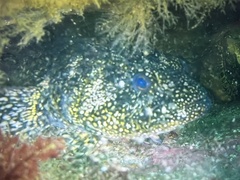
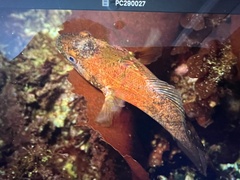
Maori ChiefiNaturalist NZ — Mātaki Taiao
|
|
Maori ChiefiNaturalist NZ — Mātaki Taiao 45ft Enderby, West of Sandy Bay |
|
Attitudes towards the Treaty of Waitangi: the effects of education, age and political party affiliationUniversity of Canterbury Library The intention of this thesis is to determine the effects of education, age and political party affiliation on attitudes towards the Treaty of Waitangi and Maori 'special rights', and possible reasons for these effects. Following an analysis of past studies it was hypothesised that those with a higher level of education were more likely to support the Treaty of Waitangi and Maori special rights, that younger people were likely to be more supportive of the issues than older people and that National Party supporters would be less supportive than those who affiliate themselves with the Labour Party or the Alliance Party. A survey was undertaken to this end. This took the form of a questionnaire which was posted to Christchurch residents whose names had been taken randomly from the local electoral roll. A statistical analysis of the returned questionnaires revealed that attitudes towards the Treaty and Maori special rights do tend to be affected by p_eople's level of education, with stronger support found amongst those with a higher level of education. An analysis of the data according to age also revealed some statistically significant results, with younger people being more inclined to support both the Treaty and Maori special rights. The political party affiliation of respondents also appeared to affect the way these respondents felt about the issues, with National Party supporters showing less support for the Treaty and Maori special rights than Labour Party and Alliance Party supporters. Theories of representative democracy and both the ideal and the actual influence of the public on government policies are discussed. Past analyses of New Zealanders' attitudes towards the Treaty are also examined, and are compared with an earlier chapter which briefly outlines the ways in which the government and various Maori groups have reacted to the Treaty of Waitangi since it was signed. The thesis concludes with a discussion of the policy implications of the results, and suggests that the government would do well to develop an educative role to increase public awareness and support for its race policies. |
|